IRDS and STEM education – Part 1: developing high-tech human resources through a self-reliant STEM ecosystem
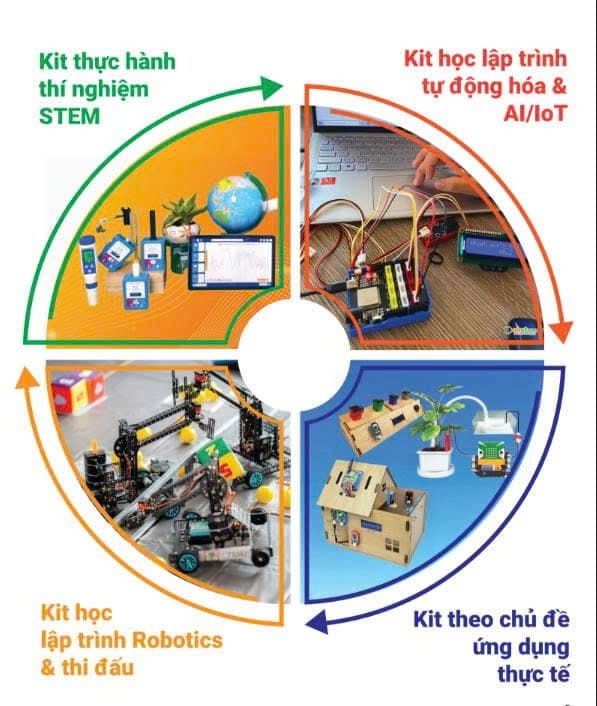
As the world and Vietnam strongly drive the shift towards a knowledge economy based on artificial intelligence (AI), the Internet of Things (IoT) and Big Data, STEM education (Science, Technology, Engineering and Mathematics) in Vietnam has become a national strategic task to meet the urgent demand for high-tech human resources. In its role of researching and guiding the development of educational spaces and equipment, the Institute for Research and Design of Schools (IRDS) (Ministry of Education and Training) has worked with the OhSTEM Ecosystem to build a comprehensive solution, joining hands to nurture a future generation of confident and resilient “digital citizens”.
1. Shaping modern STEM education: from manual technical skills to systems thinking
Modern STEM education goes beyond assembling separate, traditional hands-on visual models; it aims to build deep logical and systems thinking in students.
- Information technology as the core foundation: IT is identified as the spearhead component that coordinates the entire system. Instead of dispersing resources, the programme focuses on developing “Computational Thinking”, helping students not only to use technology proficiently but also to create technological solutions in the AI era.
- Industrial standardisation and engineering aesthetics: The model equipment system is researched and designed consistently to industrial standards, following a philosophy of minimalism, high modularity and optimised performance.
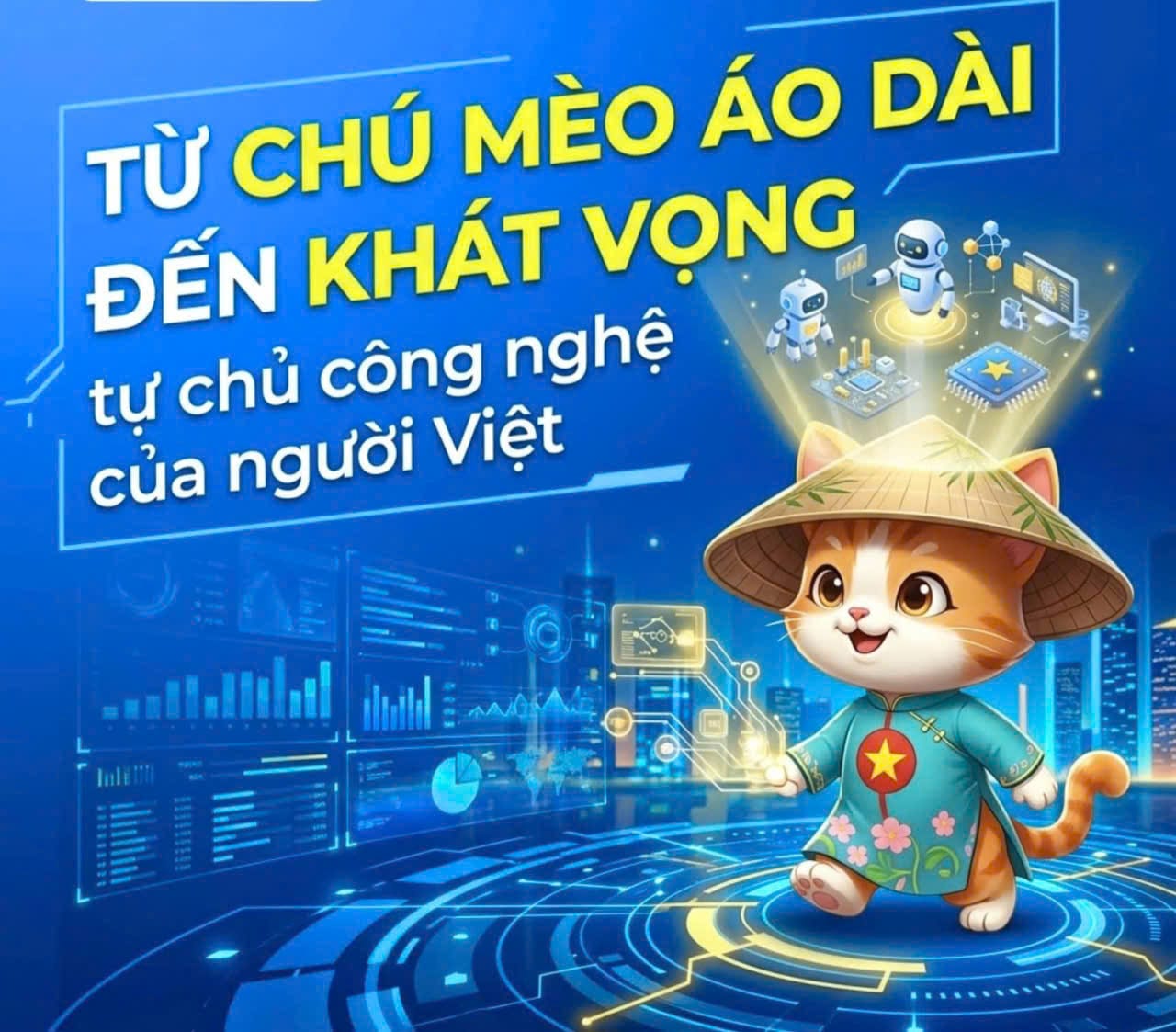
2. A forward-looking strategy: mastering core technology to ensure educational security
“Leapfrogging” in education is realised by mastering core technology in order to build self-reliance and protect the younger generation in the digital space.
- Self-reliance for security and safety: To reduce dependence on imported platforms, the Institute for Research and Design of Schools and its partners have researched and built a safe ecosystem that is 100% self-developed, from circuit board hardware and firmware to the Learning Management System (LMS). This allows maximum control over the pedagogical quality of content, secures domestic data and reduces operational risks from third parties.
3. Applying Digital Twin technology: a solution to optimise resources and promote educational equity
For localities facing budget challenges in investing in fully equipped STEM classrooms, the solution applying Digital Twin technology (3D virtual simulation) aims at educational equity, leaving no student behind.
- Closing the cost gap: Through the LMS platform, students can practise programming, assembling and operating robots in a 3D simulation environment directly in the browser, with accuracy equivalent to physical equipment. This solution makes it possible to bring high-quality STEM education to a large scale at an optimised cost.
4. Continuous progression: a pathway towards entrepreneurship and innovation
STEM education is designed as a continuous, consistent journey throughout the 12 years of general education in order to narrow the gap between theory and production practice.
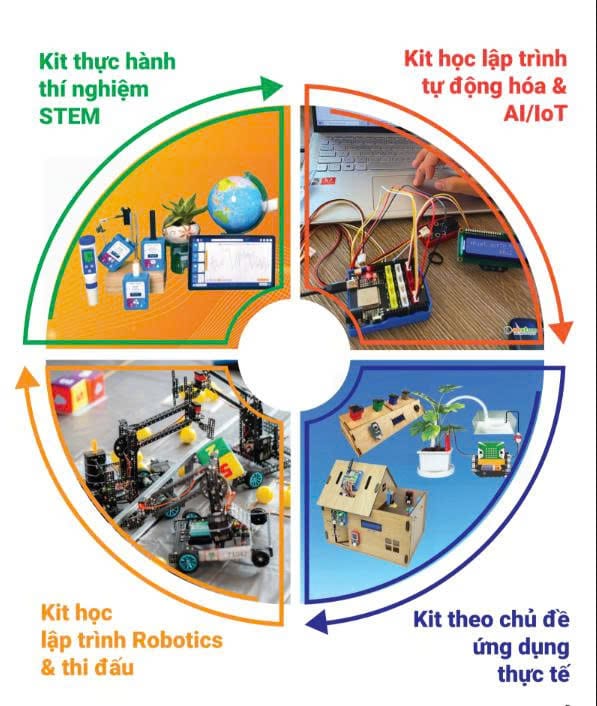
- A comprehensive K-12 curriculum framework: The programme is built consistently from Grade 1 to Grade 12, comprising 24 semesters with 384 lessons. The knowledge system and equipment at primary and lower secondary levels form the direct foundation that helps students advance to in-depth research projects at upper secondary level, such as artificial intelligence (AI), unmanned aerial vehicles (drones), smart agriculture, smart cities and more.
- From the classroom to real-world application: With 100% of projects applying the “Learning by doing” method, students are introduced early to the engineering design process and real-world problem-solving skills. This continuity helps them save time getting familiar with tools and focus entirely on inventing and refining highly feasible technology start-up models in the future.
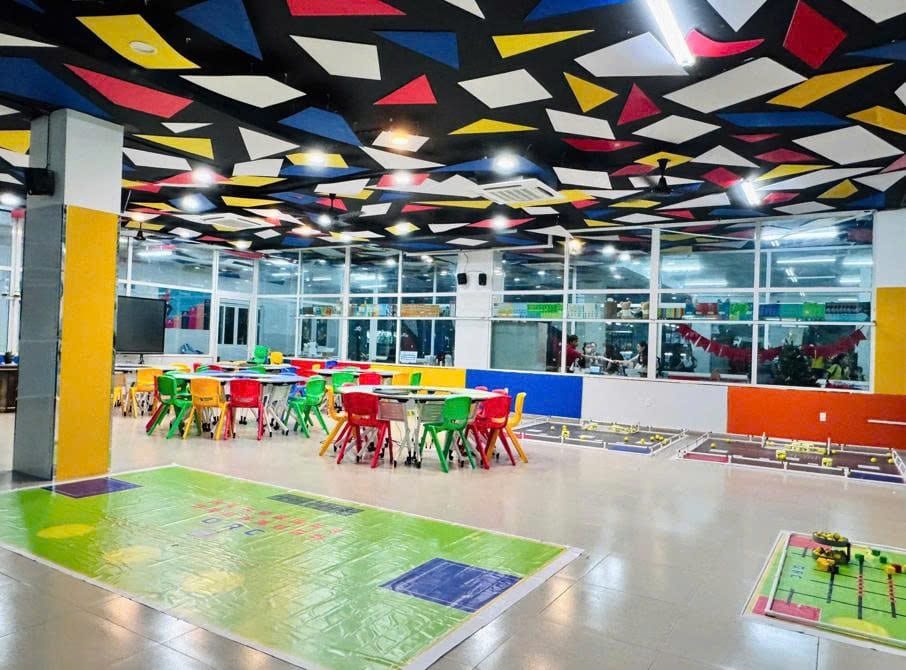
5. Bringing scientific research into educational practice
- Standardising learning spaces: The model lab designs are standardised based on the results of Scientific Research Project No. V2022-TTS01: “Research on a digital-technology-oriented STEM/STEAM LAB model meeting the requirements of the General Education Curriculum 2018”, ensuring pedagogical and scientific soundness and the ability to stimulate creative thinking.
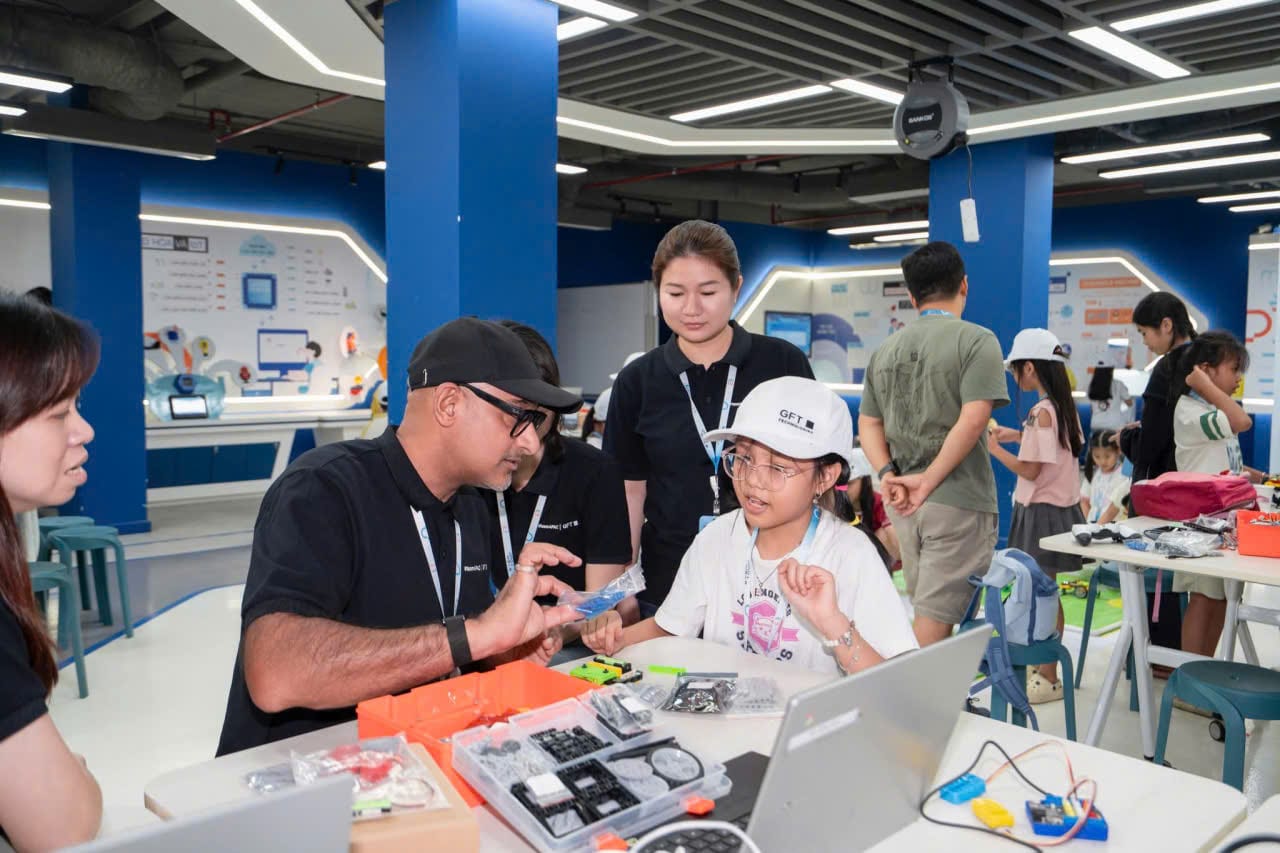
- Building teachers’ capacity: The Institute provides a comprehensive support system, from detailed lesson plans and annual training programmes to one-to-one mentoring, helping teachers confidently and effectively master new technology without pressure regarding in-depth technical background.
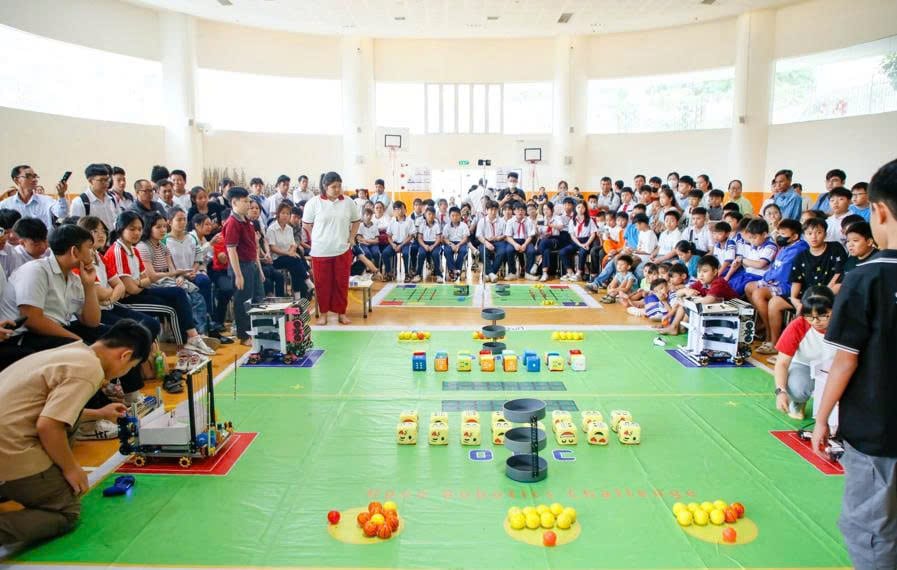
- Spreading value through the ORC community: The Open Robotics Challenge (ORC) is a non-profit technology competition organised by the Institute, aiming to spark a passion for science and to discover and nurture technology talent for the country.
The efforts of the Institute for Research and Design of Schools and its strategic partners demonstrate its commitment to accompanying the development of the country’s education sector. The Institute is committed to persistently pursuing its strategy of mastering core technology in order to train high-quality, high-tech human resources and to equip the younger generation as well as possible to help Vietnam make firm breakthroughs and integrate in the digital era.