IRDS and STEM education – Part 2: solutions to optimise resources and develop domestic education technology
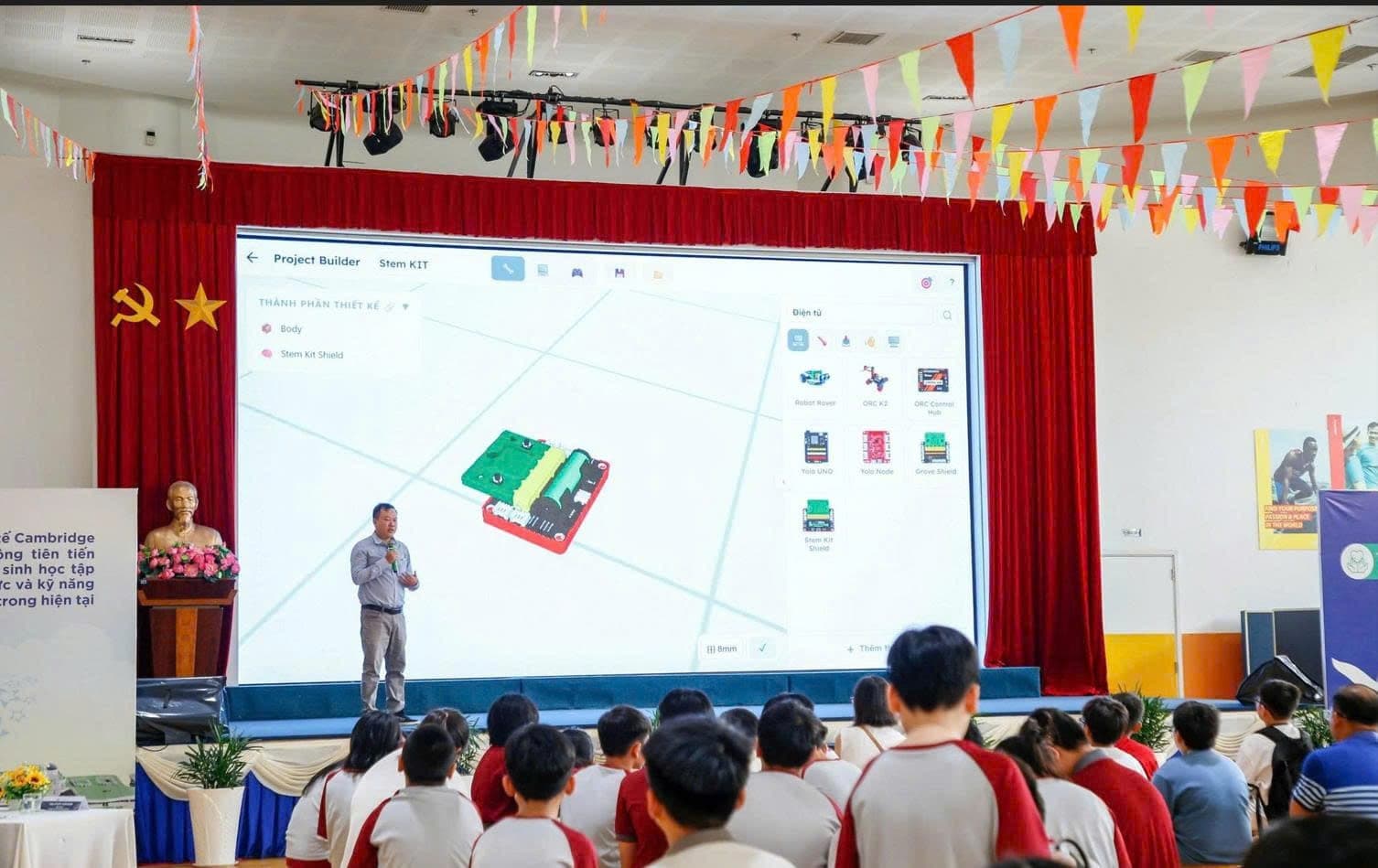
By proactively researching and mastering core technology, the Institute for Research and Design of Schools (IRDS) has developed a fully Vietnamese STEM ecosystem that meets international standards while thoroughly addressing the challenge of cost optimisation for general education schools across the country.
1. The economic reality of imported STEM systems
Through field surveys at many schools, the Institute for Research and Design of Schools has observed a noteworthy situation: many STEM classrooms, despite large budget investments, stop operating or are poorly utilised after only a short time. The core reason lies in importing hardware alone without mastering the accompanying ecosystem.
- High operating and maintenance costs: Imported component kits often tie users to rather high recurring software licence fees. In addition, when faults occur, waiting for replacement parts from abroad disrupts learning and multiplies maintenance costs.
- Widening the access gap: The cost of deploying high technology puts students in rural, remote and isolated areas at a considerable disadvantage and at risk of falling behind in the digital transformation of education.
2. Digital Twin technology: an answer to the school budget problem
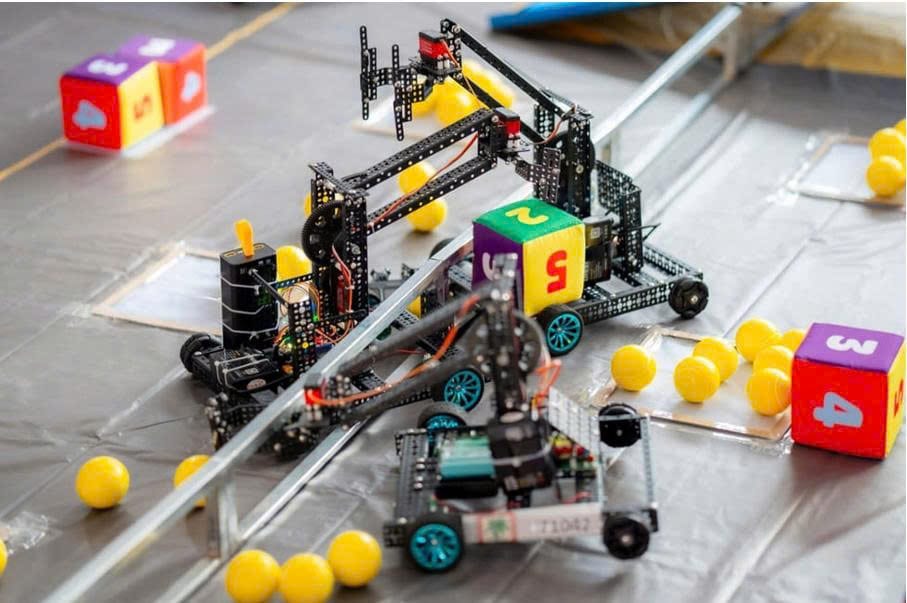
To address this problem fundamentally, the Institute for Research and Design of Schools and its partners have successfully integrated Digital Twin technology (3D visual simulation) into the OpenSTEM LMS learning management platform. This can be regarded as a breakthrough in optimising investment resources:
- In-depth practice independent of hardware: The virtual practice platform allows students to write code, assemble and carry out in-depth experiments with robots, AI cameras or IoT ecosystems directly in a web browser. This solution suits mass classroom models where budgets cannot yet provide full equipment for every student.
- A dual optimisation model: The ecosystem offers two flexible options: Vietnamese-branded hardware at a reasonable price and a 3D virtual simulation environment. This flexibility helps schools proactively develop implementation plans based on their actual financial conditions without affecting the quality of education.
3. A modular approach: effective investment, long-term continuity
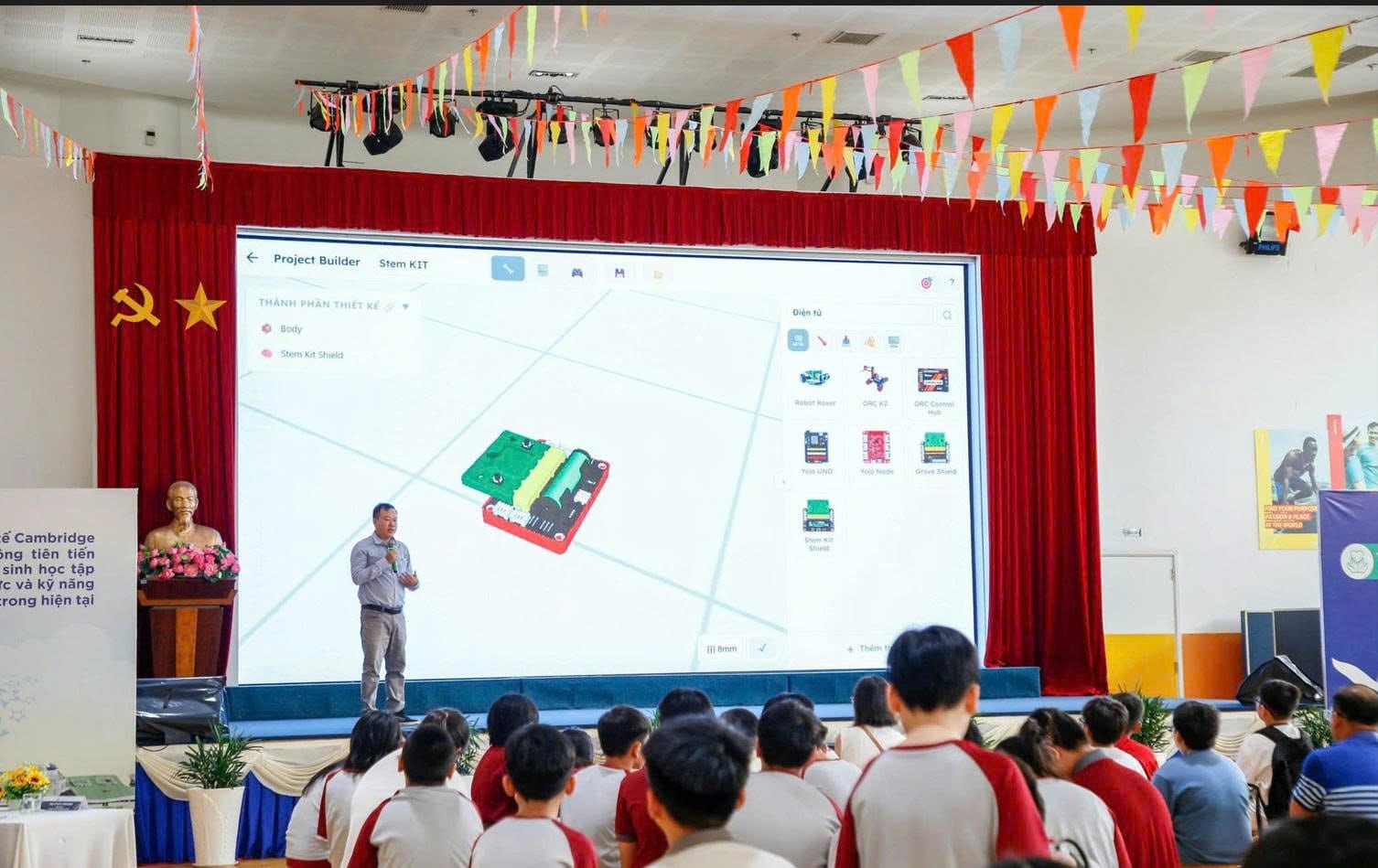
The STEM ecosystem is researched and designed on modular principles, ensuring continuity throughout the 12 school years and minimising equipment obsolescence:
- Extending equipment life cycles: A microcontroller board (for example, Yolo:Bit) provided at lower secondary level can be fully reused to learn advanced Python programming and to connect with Smart Farm or Smart Home systems at upper secondary level.
- Interoperable ORC competition kits: The robotics assembly kits used for the ORC competition are designed to be used interchangeably from lower secondary level (ORC Explorer edition) to upper secondary level (ORC Master edition). This solution helps schools minimise additional procurement costs each year.
4. Standardising public investment lists with the Institute for Research and Design of Schools
As a public scientific unit under the Ministry of Education and Training with nearly 50 years of experience, the Institute for Research and Design of Schools plays a guiding role in improving efficiency and preventing waste in public investment in education:
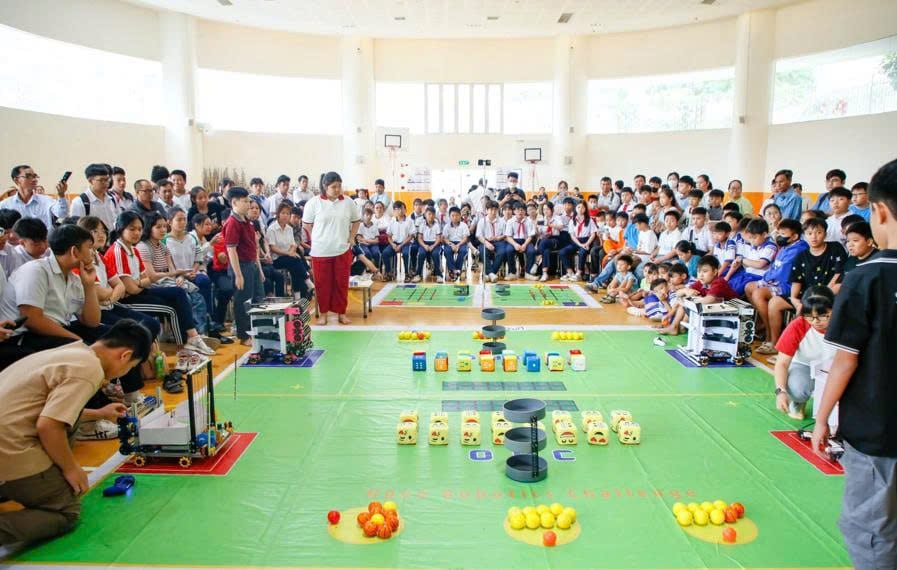
- Building a standardised equipment list: The Institute has researched and developed a detailed list of recommended equipment closely aligned with the curriculum framework of each school level. Supply categories, from 3D printers and robot components to competition field systems, are carefully evaluated for functionality, avoiding surplus or misdirected procurement.
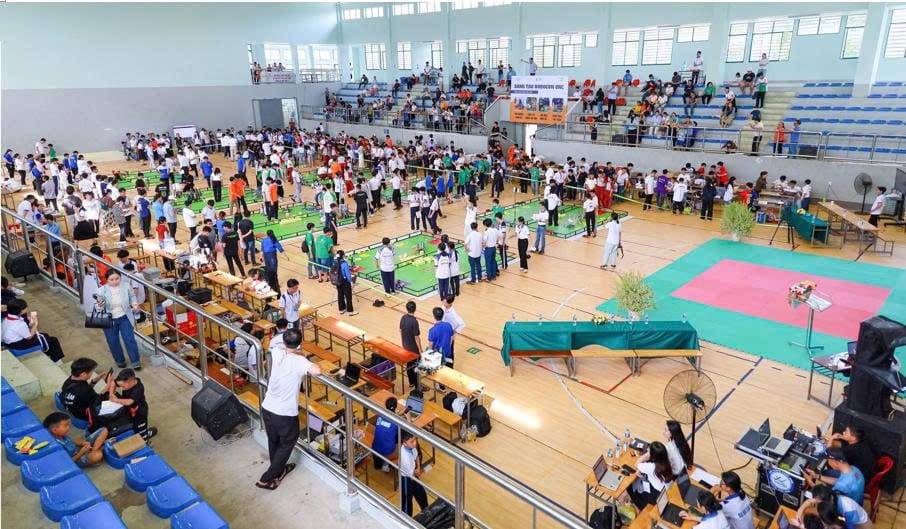
- The non-profit Open Robotics Challenge (ORC): The Institute organises the ORC competition with a policy of lending robots and competition fields entirely free of charge. This is an effort to build an equitable technology community, removing barriers and financial pressure on parents and schools.
5. An international vision: from domestic self-reliance to exporting education technology
Many developing countries face the same challenge of optimising education costs as Vietnam. With this solution from the Institute for Research and Design of Schools – a 12-year continuous STEM education programme with a well-structured lesson system, self-developed from hardware and software to the Digital Twin simulation platform – the country’s education sector has every reason to aim confidently at exporting EdTech solutions, shifting its position from an importer of equipment to a provider of education technology solutions for the region and the world.